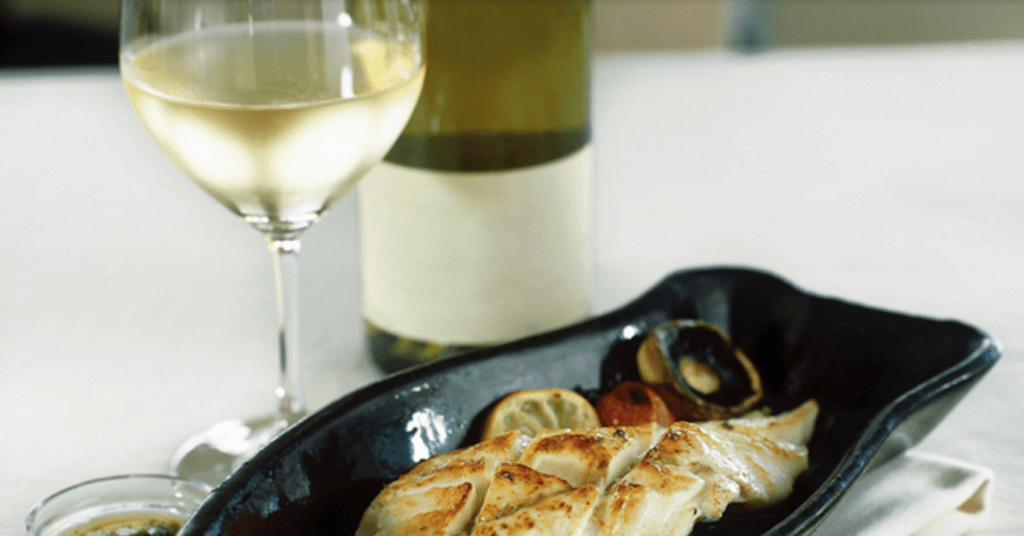
Seafood stands out as a beneficial choice, especially considering the National Health Service (NHS) recommendation of two servings per week. Seafood is primarily recommended for its health benefits, particularly due to its omega-3 fatty acids. While it’s a commonly accepted practice to pair fish or seafood with white wine, some contend it’s the superior option. It’s been discovered that enjoying wine with seafood can create an unpleasant fishy aftertaste.
What is the Reason of Bad Fishy Aftertaste?
Publication in Journal of Agricultural and Food Chemistry helps us find an answer. Researchers in Japanese from wine and spirits industry did experiments with different white and red wines. They found positive correlations between the intensity of the fishy aftertaste and the concentration of both total iron and ferrous ion in wine. Moreover, it was identified that an unsaturated fatty acid could break down rapidly and release the decaying fish smell when exposed to iron.
We want to draw your attention to the fact that the most reactive element to damage unsaturated fatty acids is alcohol molecules. These essential acids are highly sensitive to oxidation, and their stability is compromised in the presence of alcohol. The unpleasant aftertaste indicates that the fish has spoiled. It’s important to note that alcohol reacts with fatty acids, even if you don’t detect a fishy aftertaste. When omega-3s react with alcohol molecules, they transform into toxins that burden the kidneys during their journey out of the body.
Why Omega-3 and Wine May not Fix Well?
Omega-3 supplements is valuable alternative to fulfil nutrition gaps. Omega-3 fatty acids sensitivity to oxydation isn’t limited to meal—supplements can face the same fate. Omega-3 supplements quality critical depends from antioxidant used. The best omega-3 protection from oxydation provides polyphenols from olive oil. However any best Omega-3 acids protection can’t stand against alcohol molecules.
The Best Non-alcoholic Drinks with Seafood
There are plenty of tasty options that perfectly complement fish. Of course, water goes well with everything, but indulge yourself with a variety of beverages.
- Sparkling water mix with still water and some lemon or mint.
- Citrusy drinks like orange lemonade. It might be improved by some water in order to have mild taste.
- Iced tea or hot tea. Most popular black, green, or other teas fit really well with seafood dishes.
- Non-alcoholic wine or beer are excellent alternatives to enjoy fish dishes or seafood boils.
- Carbonated and non-carbonated drinks are available in a huge variety in stores. Keep in mind to avoid excessive sweetness, as it may overshadow the flavor of the seafood.
- Choose nice wine or other glasses to add elegance to your table.
Ultimately, it’s a matter of experimenting. Embrace the pleasure of non-alcoholic beverages, knowing that fish contributes to your overall wellness.
How to Pair Wine with Fish?
A decision depends on individual priorities, but we’ll do our best to make it work with some simple tips:
- Enjoy seafood with non-alcoholic beverages, or opt for a meat or vegetarian dish instead.
- Serve non-alcoholic beverages in wine or cocktail glasses to align with the preferences of the other guests and for elegance.
- If there’s a party on your agenda for the evening, think about having a seafood dish or taking omega-3 supplements in the morning. This approach gives your body roughly 10 hours to absorb the majority of the fatty acids.
- Alternatively, you could skip seafood or omega-3 supplements on the day of the party and take them on subsequent days.
Bon apetito.